In short
- The fort houses around 4,000 residents and operates as a living monument.
- Historic plumbing systems struggle to support modern tourist water usage.
- Motorized vehicles are restricted, meaning you must walk with your luggage.
In this article
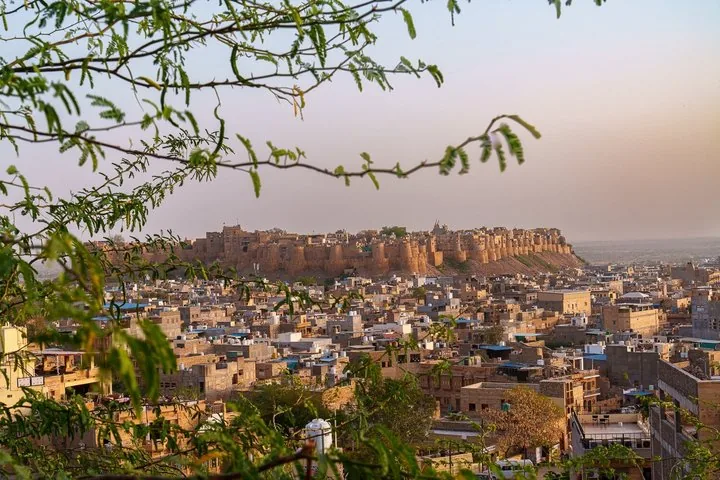
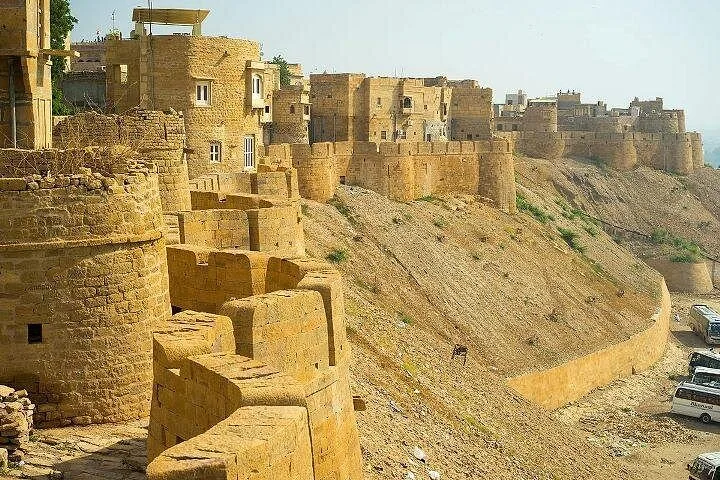
Jaisalmer Fort is a massive yellow sandstone citadel that dates back to 1156 AD. Unlike most historic sites, it remains a living fort with a quarter of the old city's population living inside. Visitors can book rooms in heritage homes, but the aging infrastructure makes staying here a complex choice.
What is the experience of staying inside Jaisalmer Fort?
You get to sleep within a UNESCO World Heritage Site alongside 4,000 local residents.
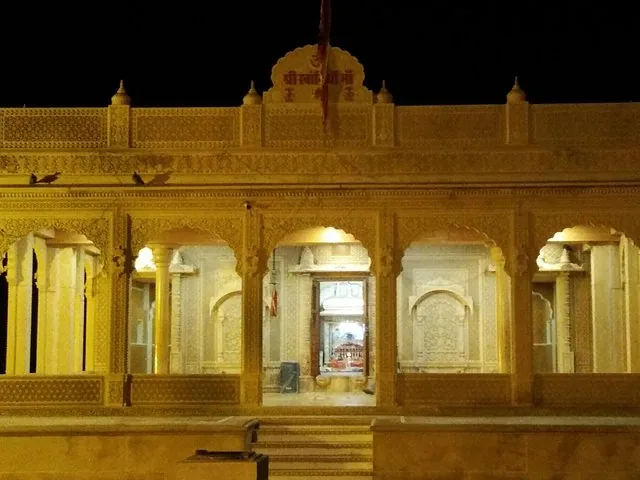
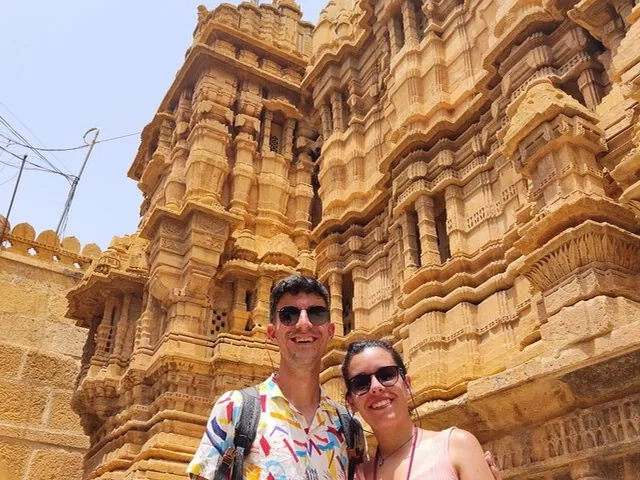
The fort is a 24-hour living community. Staying inside means you wake up directly next to ancient Jain temples and local shops. You can explore the narrow alleys early in the morning before crowds arrive.
What are the infrastructure concerns?
The fort's fragile plumbing system struggles to handle modern commercial water usage.
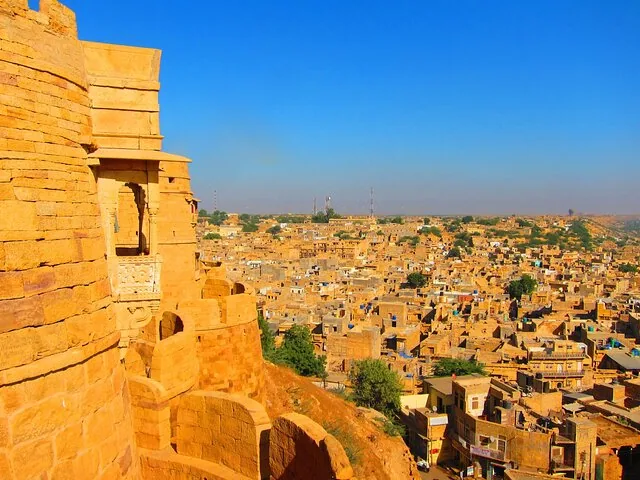
The citadel sits 250 feet (76 meters) above the surrounding desert on Trikuta Hill. It was not designed for modern plumbing or heavy water flow from hotels. Increased water usage threatens the soft yellow sandstone foundations of the 12th-century structure.
| Pros of Staying Inside | Cons of Staying Inside |
|---|---|
| 24-hour access to the fort streets | Fragile plumbing systems |
| Unique heritage atmosphere | Restricted vehicle access for luggage |
| Close proximity to the Palace Museum | Steep, uneven cobblestone paths |
Can a taxi drop me off at my hotel inside the fort?
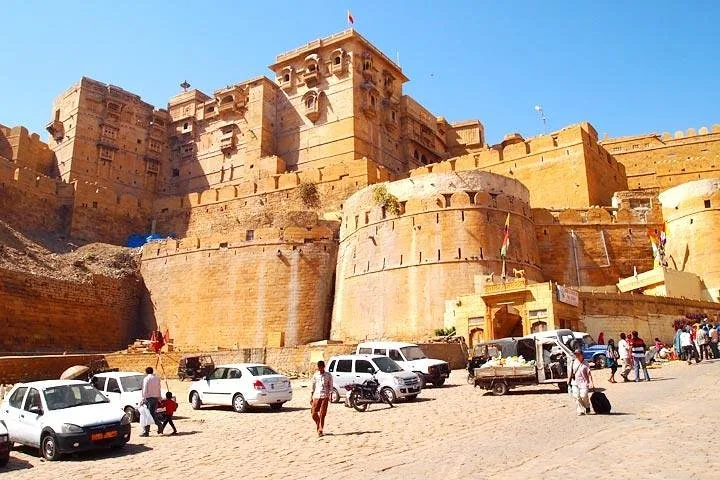
No, motorized vehicles are mostly restricted past the main gate.
An auto-rickshaw or taxi from Jaisalmer Railway Station takes about 10 minutes and costs ₹50 to ₹150. However, cars cannot drive through the residential alleys. You must carry your luggage over steep, uneven cobblestone paths from the main entrance at Gopi Chowk.
What should I pack if I stay inside?
Bring comfortable walking shoes with good grip and a warm jacket for the winter.
Since you will walk to your accommodation, pack light. Evenings get surprisingly cold if you visit between October and March. You will also want cash in small denominations for minor purchases, as ATMs inside the residential alleys are limited.
Do I have to pay an entry fee every time I return to my hotel?
No, entering the fort's residential streets is completely free.
The fort is accessible 24 hours a day at no cost. You only pay if you choose to visit the Fort Palace Museum, which charges ₹50 for Indian nationals and ₹250 for foreigners.
When is the best time for an overnight stay?
October to March offers the best desert weather.
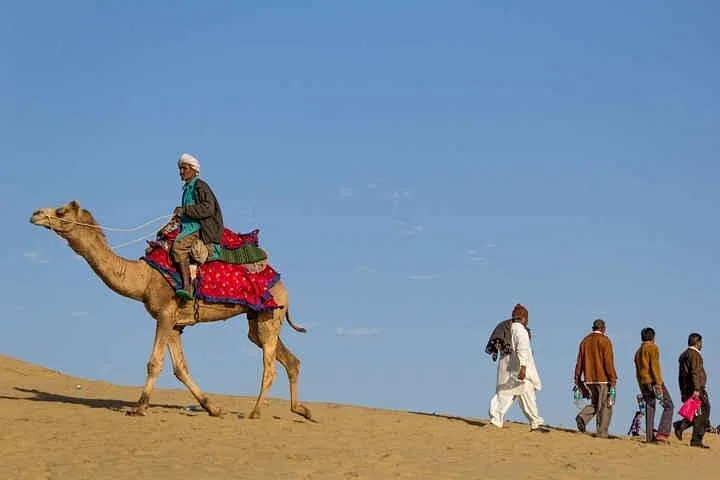
The climate is cool and pleasant during these months. Summer heat in the Thar Desert is extreme, making the walk up the 250-foot hill very difficult with luggage.
Questions travellers ask
Do people still live in Jaisalmer Fort?
Yes, approximately 3,500 to 4,000 local residents live, work, and run businesses inside the fort.
Is Jaisalmer Fort open at night?
The residential streets and main gates are open 24 hours a day, allowing free entry at any time.
Who built the Jaisalmer Fort?
The fort was built in 1156 AD by the Bhati Rajput ruler Rawal Jaisal.